August 24, 2026
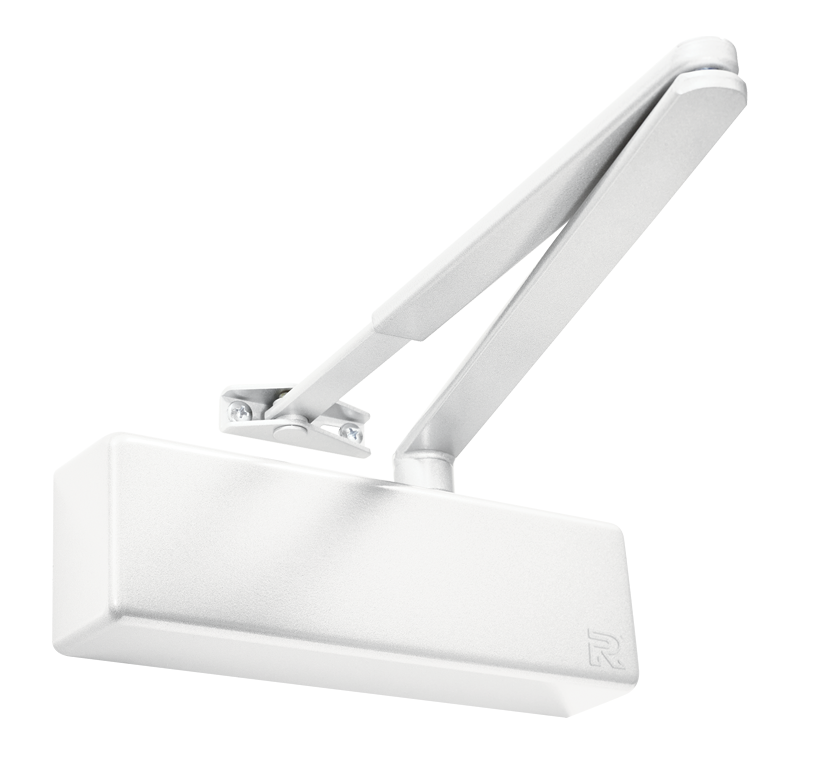
When a door fails to close properly, closes too quickly or slams shut, the door closer is often the first component to be blamed. However, while a door closer is designed to provide reliable and controlled closing, its performance depends heavily on the door, frame and surrounding installation working correctly. Door closers play an important role in security, fire safety, noise reduction and preventing damage. But when a door does not swing, close and latch freely on its own, even the best-specified closer may struggle to perform as intended. Before adjusting or replacing the closer, it is worth checking some of the more common causes of poor door operation. Poor Joinery and Installation One of the most common reasons for a door failing to close correctly is poor installation or inaccurate joinery. If the door frame is not plumb, for example, the door may meet the frame at the top but leave a gap at the bottom. A door closer cannot always overcome this type of misalignment. Installation can be particularly challenging in older buildings, where walls and floors may not be perfectly straight. However, similar issues can also occur in new-build properties, so accurate measurement and checking are essential in every installation. Floor levels and threshold gaps also need careful consideration. Variations in floor levels can affect how a door is trimmed and fitted, potentially preventing it from closing freely. At the same time, installers must ensure that any relevant requirements for cold smoke control and threshold gaps are maintained. Even seemingly minor issues, such as an incorrectly fitted or badly trimmed entrance mat, can interfere with the door’s closing action. The key is careful preparation: measure accurately, make the necessary adjustments and always check the door’s operation before considering the door closer. Getting the Door Gaps Right Insufficient clearance between the door and frame is another common cause of closing problems. Where a door is too tightly fitted, it can bind against the frame, creating resistance that prevents it from closing and latching correctly. For fire doors, appropriate gaps are particularly important. The guidance and requirements applicable to the door assembly should always be considered, along with the door manufacturer’s and hardware manufacturer’s instructions. Smoke seals also need to be considered during the installation process. If seals are added without sufficient space or are fitted incorrectly, they can create additional resistance and cause the door to stick before it has fully closed and latched. Using the correct product and following the manufacturer’s recommendations can help avoid these issues. Ironmongery and Other Accessories The door closer is not the only piece of hardware that can affect how a door operates. Locks, latches, keeps and other ironmongery can all contribute to closing problems if they are poorly specified, incorrectly adjusted or badly fitted. For example, some external doors use locks designed to latch automatically when the door is pushed shut. If the locking mechanism is incorrectly adjusted, it may prevent the door from closing or latching as intended. Similarly, a poorly positioned keep plate can obstruct the latch or stop the door from closing fully. When investigating a problem, it is important to consider the entire door assembly rather than focusing on the closer alone. The Effect of Air Pressure Air pressure within a building can also have a significant impact on the performance of a self-closing door. A door and its hardware may be correctly specified and installed, but excessive positive or negative air pressure can prevent the door from closing and latching reliably. In some circumstances, air pressure can also cause doors to swing or close with excessive force. This can be particularly challenging in taller buildings, where changes in pressure and air movement can create unpredictable conditions. Although building design can help minimise the impact of air pressure, it is not always possible to predict every condition. In many cases, a correctly specified door closer can be adjusted to accommodate the environment. Small adjustments can make a significant difference, so changes should be made gradually and the door tested after each adjustment. The Little-Finger Test A simple way to assess whether a door is functioning correctly before blaming the door closer is the “little-finger test”. A well-installed door should be able to swing closed, close fully and latch with very little resistance. If a gentle push from a little finger is enough to close the door, a correctly specified and adjusted door closer should be able to operate it reliably and in a controlled manner. If the door is difficult to close manually, increasing the power of the door closer may not solve the underlying problem. Conclusion Door closers are often blamed when a door fails to close correctly, but the cause is frequently found elsewhere. The frame may be out of alignment, the gaps may be too tight, the threshold may be obstructed, or another item of ironmongery may be preventing the door from closing and latching properly. Before adjusting or replacing a door closer, it is worth checking the fundamentals: the frame, the door gaps, the threshold, the latch and the overall operation of the door itself . A door closer can only perform as well as the door it is fitted to. Get the installation right first, and the closer is far more likely to do exactly what it was designed to do—close the door reliably and with controlled force.