
welcome to Blazeout Limited

Saving Lives and Money

SHOP NOW >>

Welcome to Blazeout!


Your specialist Single source supplier for the firestopping and passive fire sectors
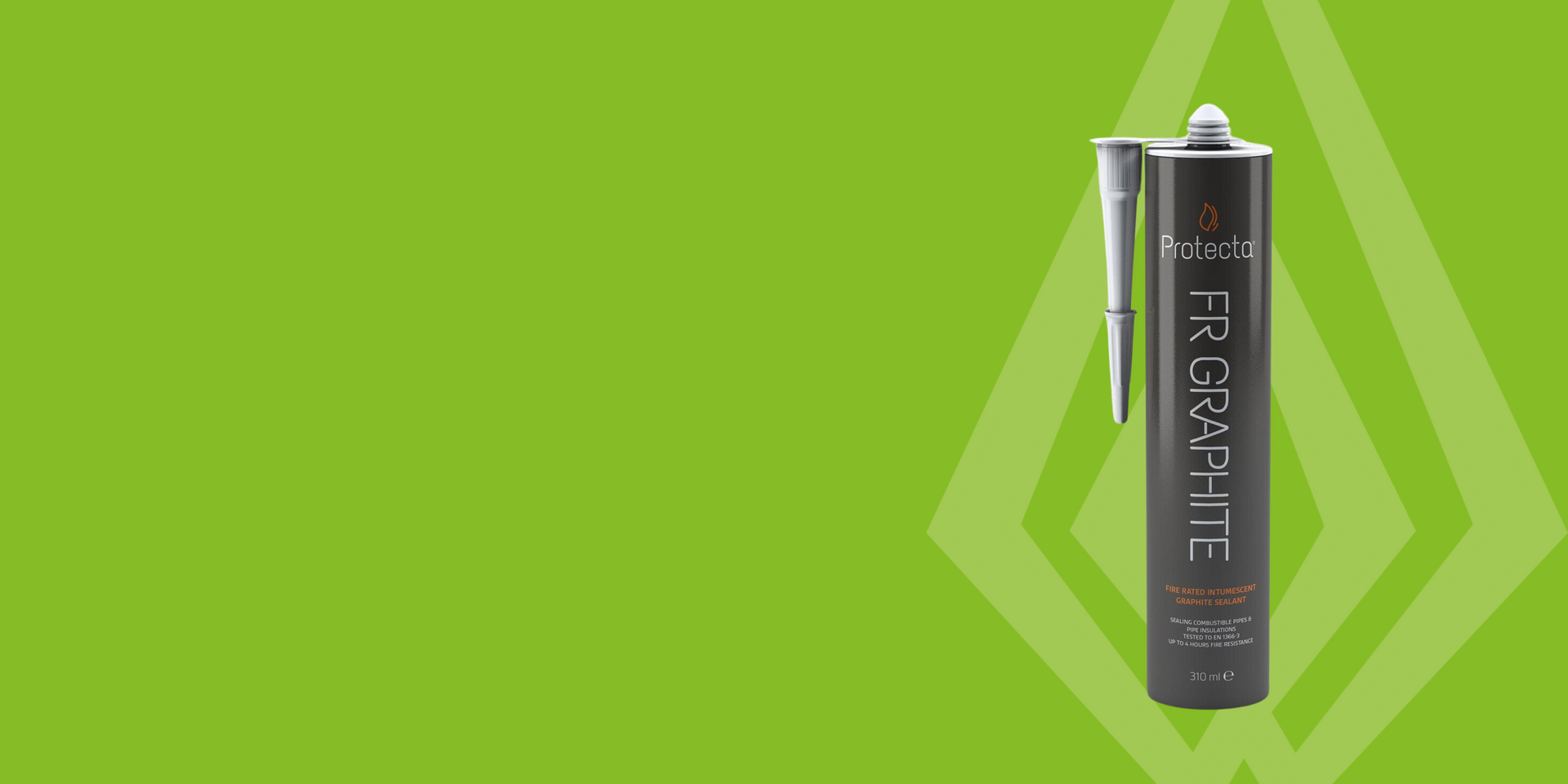

saving lives and properties

SHOP NOW >>

BEST SELLING

POPULAR BRANDS

About Us

We are Blazeout – we understand time. 


When disaster strikes, when fire starts – seconds define life or death.


Coordinated and effective PASSIVE FIRE strategies gain time and save lives – it’s not optional, its essential. 


Blazeout underpins the Passive Fire industry with the knowledge, materials, and practical support it requires.


Our management team has a combined experience of more than 100 years across the Fire, Construction, Safety, Engineering, and Sustainability sectors. Our unique breadth of experience is our strength. We work together to help our customers achieve success. 


Wherever your project, whatever the challenges we will strive to provide a single simplified solution – on time.


Blazeout – because every second counts….


READ MORE >>

Time


A wise person once said that “time is the most precious thing you have”.  


At Blazeout time is of the essence, deadlines are to be met and promises to be kept. This belief permeates our culture and affects everything we do. This isn’t an idle promise it’s non-negotiable.


When you work with the team at Blazeout, you will be working with a team that has resource and a practical get-it-done attitude. A team which has proved success and worked with some of the largest organisations nationally. A team which can bring real tangible value to assist you on your projects.


Blazeout – a team which values your time as much as our own.

Reviews


Our Latest News
August 24, 2026
When designing firestopping around service penetrations, the distances between individual services and nearby openings is an important part of the overall system design. Pipework, cables, conduits and other penetrations need to be installed within the spacing parameters covered by the relevent tested configuration. Changing those distances can influence how the firestop behaves when exposed to fire. If the specified spacing is not maintained, there may be a greater risk of: - Reduced fire-resistance performance - Earlier-than-expected system failure - Increased smoke passage -Excessive heat transfer to surrounding services or firestopping materials Firestop systems are tested in defined configurations, meaning that the test evidence applies to specific installation arrangements, including the seperation between penetrations. For this reason, seperation requirements should be addressed during the design and coordination stages. Establishing the correct spacing before installation helps ensure the completed penetration matches the configuration for which the firestopping system has been assessed. As the specialist single source distributor of firestopping materials, Blazeout are uniquely positioned to assist with your projects, supplying the correct solutions in full and on time.
August 24, 2026
When a door fails to close properly, closes too quickly or slams shut, the door closer is often the first component to be blamed. However, while a door closer is designed to provide reliable and controlled closing, its performance depends heavily on the door, frame and surrounding installation working correctly. Door closers play an important role in security, fire safety, noise reduction and preventing damage. But when a door does not swing, close and latch freely on its own, even the best-specified closer may struggle to perform as intended. Before adjusting or replacing the closer, it is worth checking some of the more common causes of poor door operation. Poor Joinery and Installation One of the most common reasons for a door failing to close correctly is poor installation or inaccurate joinery. If the door frame is not plumb, for example, the door may meet the frame at the top but leave a gap at the bottom. A door closer cannot always overcome this type of misalignment. Installation can be particularly challenging in older buildings, where walls and floors may not be perfectly straight. However, similar issues can also occur in new-build properties, so accurate measurement and checking are essential in every installation. Floor levels and threshold gaps also need careful consideration. Variations in floor levels can affect how a door is trimmed and fitted, potentially preventing it from closing freely. At the same time, installers must ensure that any relevant requirements for cold smoke control and threshold gaps are maintained. Even seemingly minor issues, such as an incorrectly fitted or badly trimmed entrance mat, can interfere with the door’s closing action. The key is careful preparation: measure accurately, make the necessary adjustments and always check the door’s operation before considering the door closer. Getting the Door Gaps Right Insufficient clearance between the door and frame is another common cause of closing problems. Where a door is too tightly fitted, it can bind against the frame, creating resistance that prevents it from closing and latching correctly. For fire doors, appropriate gaps are particularly important. The guidance and requirements applicable to the door assembly should always be considered, along with the door manufacturer’s and hardware manufacturer’s instructions. Smoke seals also need to be considered during the installation process. If seals are added without sufficient space or are fitted incorrectly, they can create additional resistance and cause the door to stick before it has fully closed and latched. Using the correct product and following the manufacturer’s recommendations can help avoid these issues. Ironmongery and Other Accessories The door closer is not the only piece of hardware that can affect how a door operates. Locks, latches, keeps and other ironmongery can all contribute to closing problems if they are poorly specified, incorrectly adjusted or badly fitted. For example, some external doors use locks designed to latch automatically when the door is pushed shut. If the locking mechanism is incorrectly adjusted, it may prevent the door from closing or latching as intended. Similarly, a poorly positioned keep plate can obstruct the latch or stop the door from closing fully. When investigating a problem, it is important to consider the entire door assembly rather than focusing on the closer alone. The Effect of Air Pressure Air pressure within a building can also have a significant impact on the performance of a self-closing door. A door and its hardware may be correctly specified and installed, but excessive positive or negative air pressure can prevent the door from closing and latching reliably. In some circumstances, air pressure can also cause doors to swing or close with excessive force. This can be particularly challenging in taller buildings, where changes in pressure and air movement can create unpredictable conditions. Although building design can help minimise the impact of air pressure, it is not always possible to predict every condition. In many cases, a correctly specified door closer can be adjusted to accommodate the environment. Small adjustments can make a significant difference, so changes should be made gradually and the door tested after each adjustment. The Little-Finger Test A simple way to assess whether a door is functioning correctly before blaming the door closer is the “little-finger test”. A well-installed door should be able to swing closed, close fully and latch with very little resistance. If a gentle push from a little finger is enough to close the door, a correctly specified and adjusted door closer should be able to operate it reliably and in a controlled manner. If the door is difficult to close manually, increasing the power of the door closer may not solve the underlying problem. Conclusion Door closers are often blamed when a door fails to close correctly, but the cause is frequently found elsewhere. The frame may be out of alignment, the gaps may be too tight, the threshold may be obstructed, or another item of ironmongery may be preventing the door from closing and latching properly. Before adjusting or replacing a door closer, it is worth checking the fundamentals: the frame, the door gaps, the threshold, the latch and the overall operation of the door itself . A door closer can only perform as well as the door it is fitted to. Get the installation right first, and the closer is far more likely to do exactly what it was designed to do—close the door reliably and with controlled force.
August 5, 2026
When it comes to maintaining the fire integrity of a building, choosing the correct firestopping product is essential. Two of the most commonly used products are intumescent sealant and fire rated foam. While they may appear to perform similar functions, they are designed for different applications and understanding the difference is key to achieving a compliant firestop installation. What is Intumescent Sealant? Intumescent sealant is a fire-resistant acrylic sealant that expands when exposed to high temperatures. As the heat from the fire increases, the sealant swells to fill gaps and openings, helping to prevent the passage of flame, smoke and hot gasses through fire-rated walls and floors. It’s commonly used for: · Sealing linear joints between walls, floors and ceilings · Firestopping service penetrations around cables, cable trays and metal pipework · Perimeter sealing around fire-rated doors, windows and partitions · Applications where movement or flexibility mat be required What is Fire Rated Foam? Fire rated foam is a specialist expanding polyurethane foam designed to provide both fire resistance and excellent gap-filling properties. Unlike standard expanding foam, fire rated foam that has been tested for use within passive fire protection systems and can help maintain the fire performance of compartment walls or floors when installed in accordance with the manufacturer’s tested details. It’s typically used for: · Filling larger voids around service penetrations · Sealing gaps around doors and window frames · Filling irregular openings in masonry or concrete As with all firestopping products, it is essential that the manufacturers guidelines and tested details are followed explicitly.
June 5, 2026
Hinges, Screws & Essential Door Hardware: The Small Components That Make a Big Difference
By Jon Richardson April 17, 2026
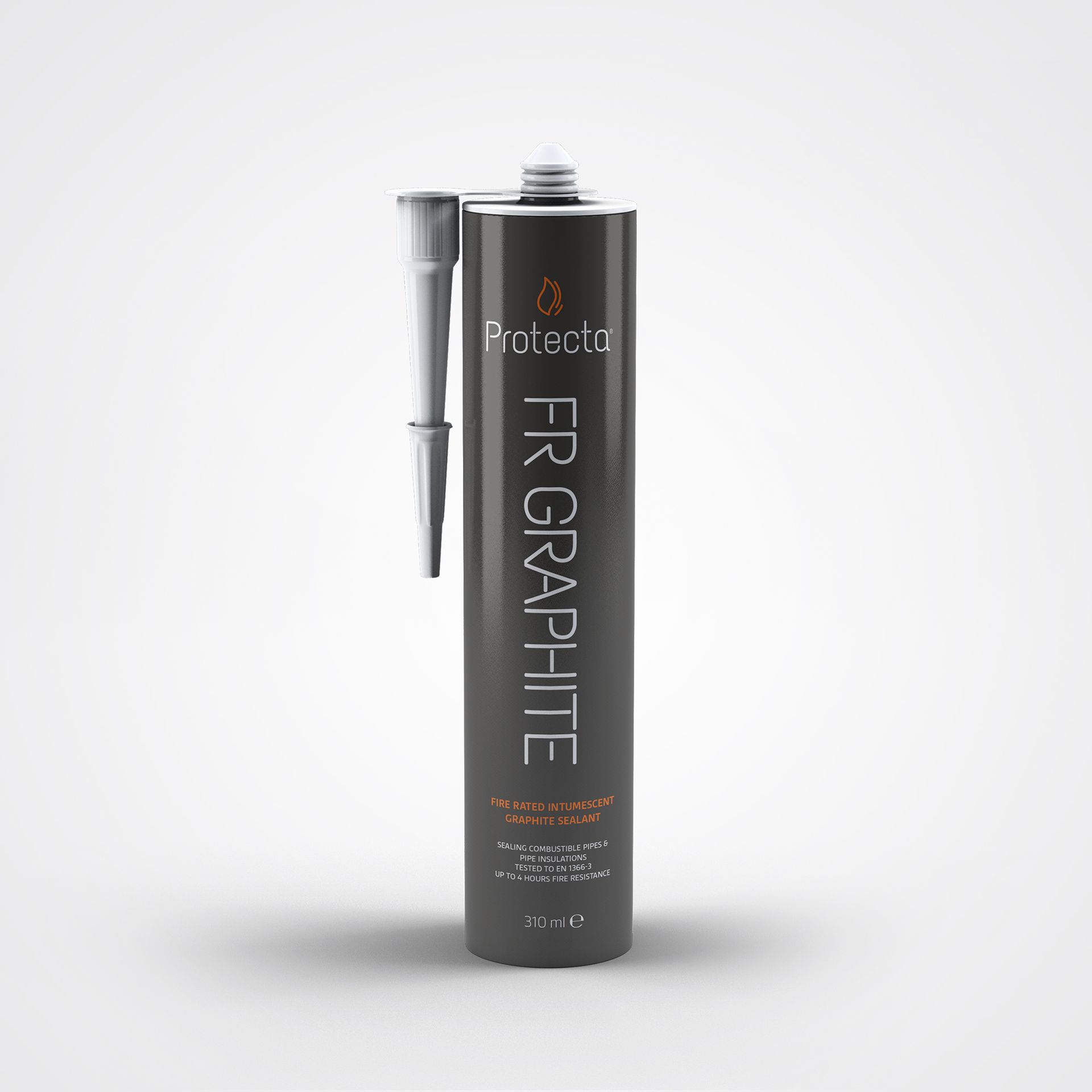
This blog covers what raised access flooring is as well as the solution to prevent fire spreading through the void. What is Raised Access Flooring (RAF)? Raised access flooring is a system where a floor is installed above a structural subfloor, typically a concrete slab, creating a void between the two levels. This void is used to house and distribute essential building services in a clean, organised and accessible way. What is it used for? The void beneath a raised floor provides space for a wide range of services: - Electrical power distribution - Data and telecommunications cabling - HVAC systems (heating, ventilation and air conditioning) - Fire detection and suppression systems - Security and CCTV cabling - Plumbing and drainage - Environmental controls How is a Raised Access Floor Constructed? A raised access flooring system is made up of modular panels supported by adjustable pedestals arranged in a grid. - Pedestals are fixed to the subfloor and adjusted to create a perfectly level surface - Panels sit on top of the pedestals, forming the finished floor - Stringers (horizontal supports) may be added for extra strength and stability, particularly at higher floor heights. The void beneath the floor can range from as little as 20mm to over 150mm, depending on the project requirements. Can a Raised Access Floor cause a fire hazard in a building? Raised floors create a hidden void (the space underneath), and that introduces a few specific hazards: Cable buildup The void often contains electrical and data cabling. Poorly managed or overloaded cables can overheat and become ignition sources. Airflow spreading fire In many buildings (especially offices and data centres), the void is used for air distribution. That airflow can feed a fire with oxygen and spread smoke or flames quickly. Dust and debris accumulation Dust under the floor is surprisingly flammable. If not cleaned regularly, it can help a small ignition grow. Hidden fire development Fires starting under the floor can go unnoticed longer because they’re out of sight, delaying response. Combustible materials Older or cheaper floor panels and supports may contain materials that contribute to fire load. In modern buildings, much of the critial infrastructure such as cabling, ductwork and services runs unseen beneath raised access floors. While this design offers flexibility and efficiency, it also introduces hidden pathways where fire and smoke can spread rapidly if not properly controlled. This is where the Protecta FR Board RAF Barrier system plays a vital role. What is the Protecta FR Board and RAF Barrier? The Protecta FR Board and RAF Barrier is a robust firestopping solution built using a proven stone wool FR Board system. It is specifically designed to create a secure, certified seal within raised floor cavities. Installed beneath partition walls or across open voids, it helps maintain fire compartmentation and slows the spread of fire and smoke through unferfloor spaces. Why is it important? Raised floor voids can act as a concealed channel, allowing fire, smoke and sound to travel between compartments. By installing a dedicated barrier system: - Fire resistance is maintained beneath partition walls - Large underfloor voids can be subdivided into safer compartments - Critical services such as cables and ductwork remain properly firestopped - Air and sound transfer between spaces is reduced Product Availability The Protecta FR Board RAF Barrier is supplied as standard FR Board panels: 1200x600mm Thicknesses: 50mm, 60mm, 80mm, 100mm For installation, it is used in conjunction with compatable firestopping sealants such as Protecta FR Acrylic and FR Graphite, ensuring a complete and compliant system. All these products are stocked and supplied by Blazeout Ltd. Contact us for project support and material supplies – sales@blazeout.co.uk Free Downloads: Protecta Product Portfolio Protecta Handbook for Timber Construction Protecta Handbook for Linear Seals Protecta Handbook Service Penetrations
April 10, 2026
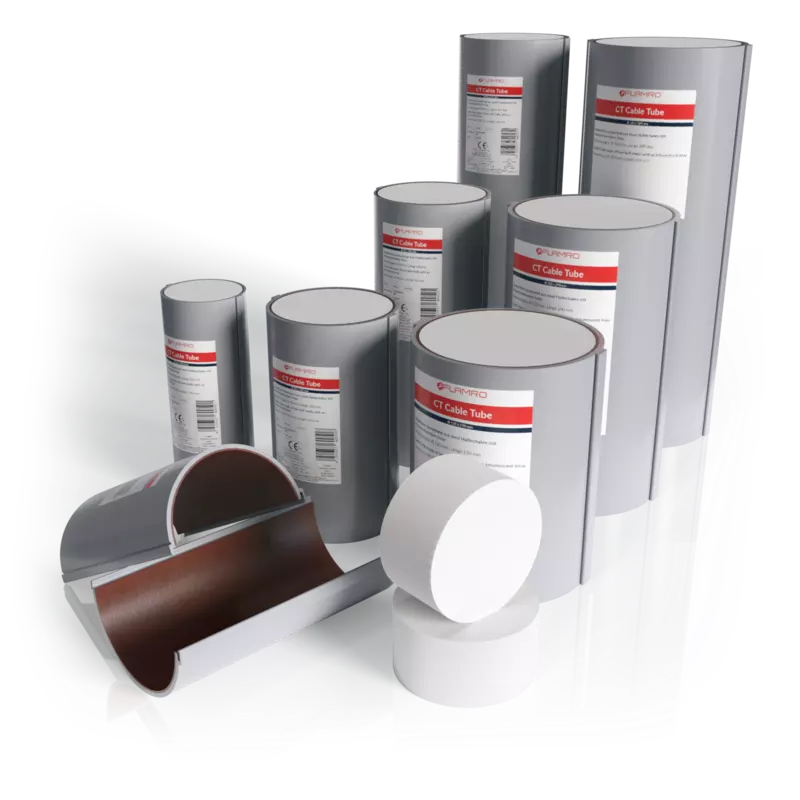
Flamro Cable Tubes
March 30, 2026
Flamro Firebreather Cavity Barrier
March 17, 2026
Southampton University Hospital Fire
March 16, 2026
Glasgow Central Fire
March 13, 2026
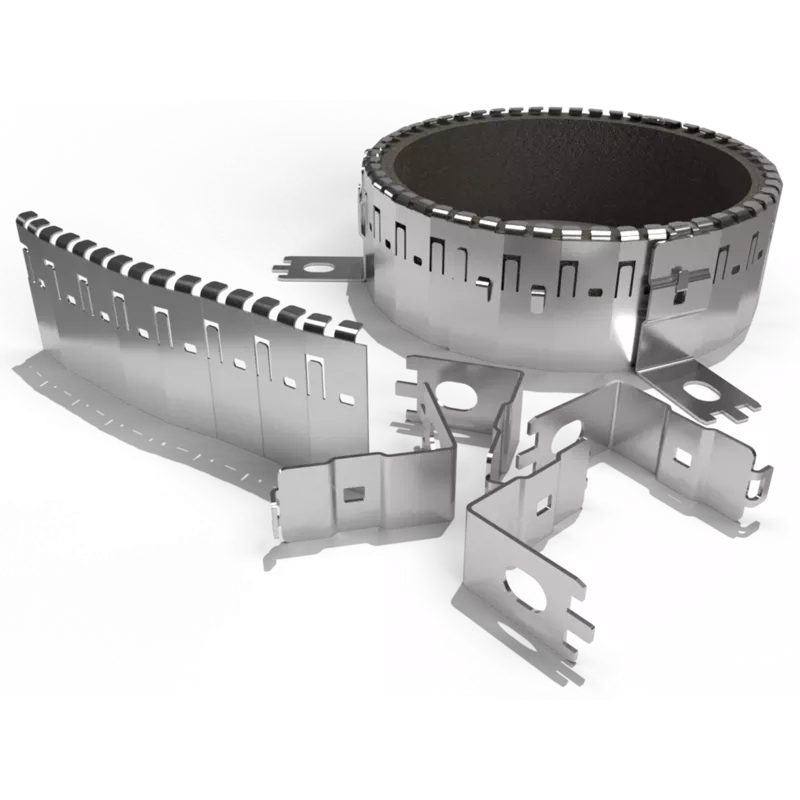
Flamro Endless Collar
Show More
VIEW ALL POSTS