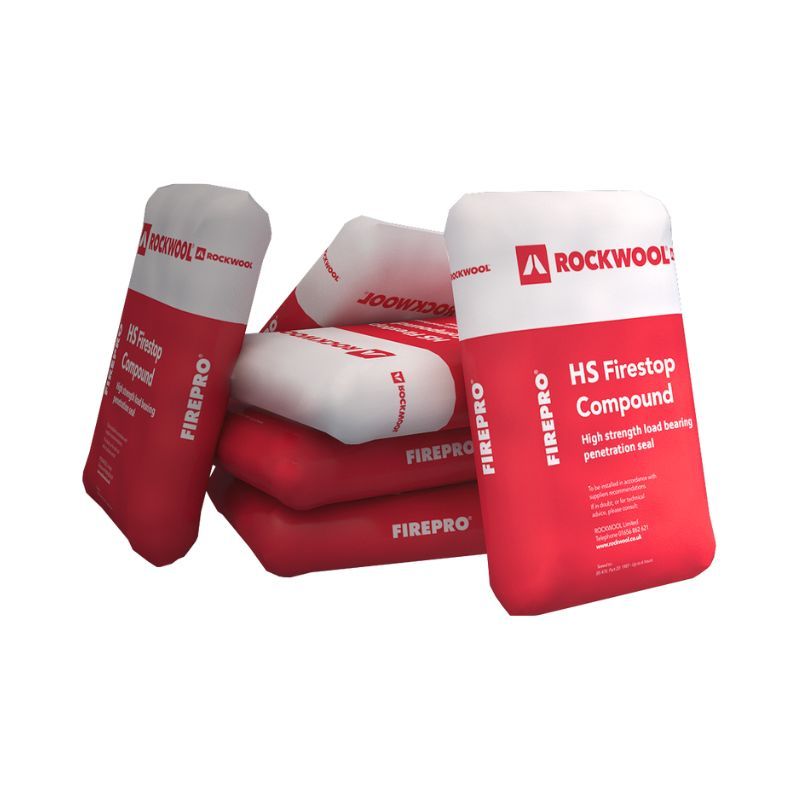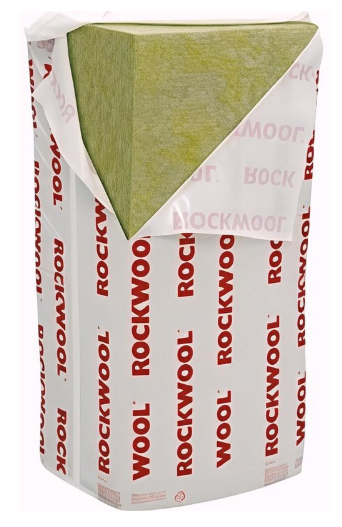
Rockwool Firestopping and Cavity Barriers
Firestopping is an essential consideration in the deisgn and construction of buildings. When fir-resisting walls, floors and compartmentation systems meet concealed cavities or other building elements, suitable passive fire protection measures can help restrict the spread of fire and smoke.
Rockwool manufacturers a range of stone wool-based fire protection products, including cavaity barriers and specialist firestopping systems. Understanding the differences between these products is important when selecting materials for a construction project.
What is the difference between firestopping and cavity barriers?
Firestopping describes measures used to maintain fire resistance where gaps, joints or service penetrations could otherwise allow fire and smoke to spread.
Cavity barriers are designed for suitable concealed spaces within a building, helping to restrict the passage of fire and smoke through cavaties.
Although these measures form part of passive fire protection, they have different functions and must be selected for their intended applications.
Why correct specification matters
A fire protection product is only suitable when it is used in accordance with its intended application and supporting technical evidence.
Selecting a product based on its name or general description alone is not sufficient. Contractors should verify the precise installation details, including substrate, cavity dimensions, fixing method an any limitations identified in the manufacturer's documentation.
Finding the right materials and organising delivery are important parts of keeping a construction project moving.
Blazeout supplies passive fire protection products alongside fixings, PE and other construction essentials. Our single-source approach helps customers consolidate their purchasing and speak to one of the team about a wider range of site requirements.