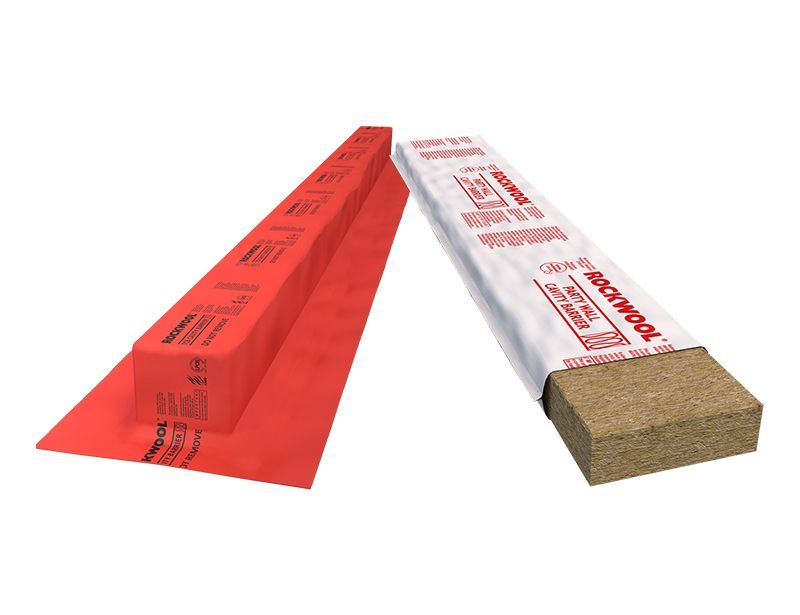
Rockwool Firestop Compound
When installalling passive fire protection systems, selecting the correct materials is essential to maintaining the intended fire performance of a building. Rockwool firestop compound is a product category worth considering when specifying suitable solutions for service penetrations and other fire-resisting construction details.
For contractors and firestopping specialists, understanding the purpose of firestop compounds and the importance of correct installation can help support a compliant, well-planned project.
What is firestop compound?
Firestop compound is used in specified firestopping systems to seal openings around building services or within suitable construction elements. Depending on the product and tested system, it may help restore the fire resistance of a wall or floow where an opening has been created for services.
The exact application, installation method and performance depend on the manufacturer's product specification and supporting test evidence.
Where is firestop compound used?
Depending on the approved system, firestop compounds may be used around service penetrations, including pipes, cables and other building services passing through fire resisting walls or floors.
The opening size, substrate, service type and required fire resistance all influence which solution is appropriate.
Why is correct specification important?
Firestopping is not simply a case of filling a gap. The selected material must be suitable for the specific construction and installation detail.
Before installation, confirm the permitted substrate, opening dimentions, service configuration, compound depth, backing requirements and curing instructions against the relevant menufacturer's documentation.
At Blazeout, we help contractors and construction professionals source passive fire protection products alongside fixings, PPE and other site essentials.
If you're looking for Rockwool firestop compound or related firestopping materials, contact our team to discuss product availability and your project requirements.