Why Seperation Distances Matter in Firestopping
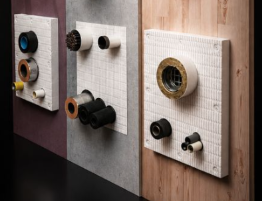
When designing firestopping around service penetrations, the distances between individual services and nearby openings is an important part of the overall system design.
Pipework, cables, conduits and other penetrations need to be installed within the spacing parameters covered by the relevent tested configuration. Changing those distances can influence how the firestop behaves when exposed to fire.
If the specified spacing is not maintained, there may be a greater risk of:
- Reduced fire-resistance performance
- Earlier-than-expected system failure
- Increased smoke passage
-Excessive heat transfer to surrounding services or firestopping materials
Firestop systems are tested in defined configurations, meaning that the test evidence applies to specific installation arrangements, including the seperation between penetrations.
For this reason, seperation requirements should be addressed during the design and coordination stages. Establishing the correct spacing before installation helps ensure the completed penetration matches the configuration for which the firestopping system has been assessed.
As the specialist single source distributor of firestopping materials, Blazeout are uniquely positioned to assist with your projects, supplying the correct solutions in full and on time.