Glasgow Central Fire
Glasgow Central Fire
The Glasgow Central Fire: A Wake up Call for Stronger Passive Fire Protection
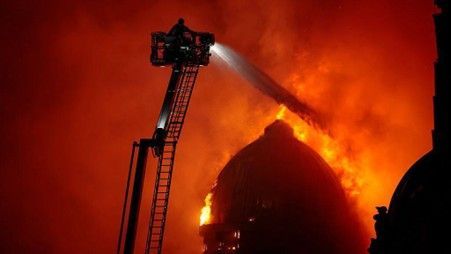
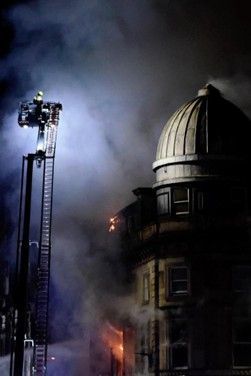
A major fire broke our on Union Street in Glasgow city centre on Sunday 8th March 2026, originating in a vape shop and rapidly spreading through a Victorian building adjacent to Glasgow Central Station. The fire caused partial structural collapse, forced the closure of Scotland’s busiest rail hub, and triggered days of travel chaos.
- The building continued to collapse after the fire, prompting Glasgow City Council to order demolition for public safety
- Only the façade at the corner of Union Street and Gordon Street remained standing after the fire
- Despite the intensity of the fire, Glasgow Central’s iconic glass roof avoided visible structural damage, though the station remained closed for safety assessments
- High level railway platforms stayed shut for days to instability of the neighbouring structure, with disruption expected to last weeks.
What is Passive Fire Protection (PFP)?
Passive fire protection refers to the built in features of a building designed to contain fire, smoke and heat without needing activation. These include:
- Fire resistant walls, floors and ceilings
- Fire doors
- Cavity barriers
- Fire stopping around service penetrations
- Structural fire protection for steelworks
How PFP Works:
PFP systems divide a building into fire-resistant compartments:
- Contain flames and smoke
- Protect critical structures and elements
- Buy time for evacuation and firefighting
- Prevent fire from jumping between floors or rooms
The Role of Firestopping in preventing catastrophe:
Firestopping is a crucial part of passive fire protection. It seals gaps around pipes, cables, ducts and joints, areas where fire and smoke can easily spread if left unprotected.
In older buildings like the one affected in Glasgow, inadequate firestopping could potentially allow a fire to travel rapidly through voids and service routes. Proper fire stopping:
- Maintains compartment integrity
- Prevents unseen fire spread
- Ensures compliance with building regulations
- Protects escape routes and structural elements
Fire Safety Starts before the flames:
The Glasgow Central fire is a powerful reminder that passive fire protection isn’t just a regulatory box tick, it’s a lifesaving necessity.
Buildings must be designed, constructed and maintained with fire resilience at their core. That means:
- Proper compartmentation
- Certified fire stopping
- Regular inspections
- Up to date fire strategy documentation
- Competent installers and maintainers